
 By gold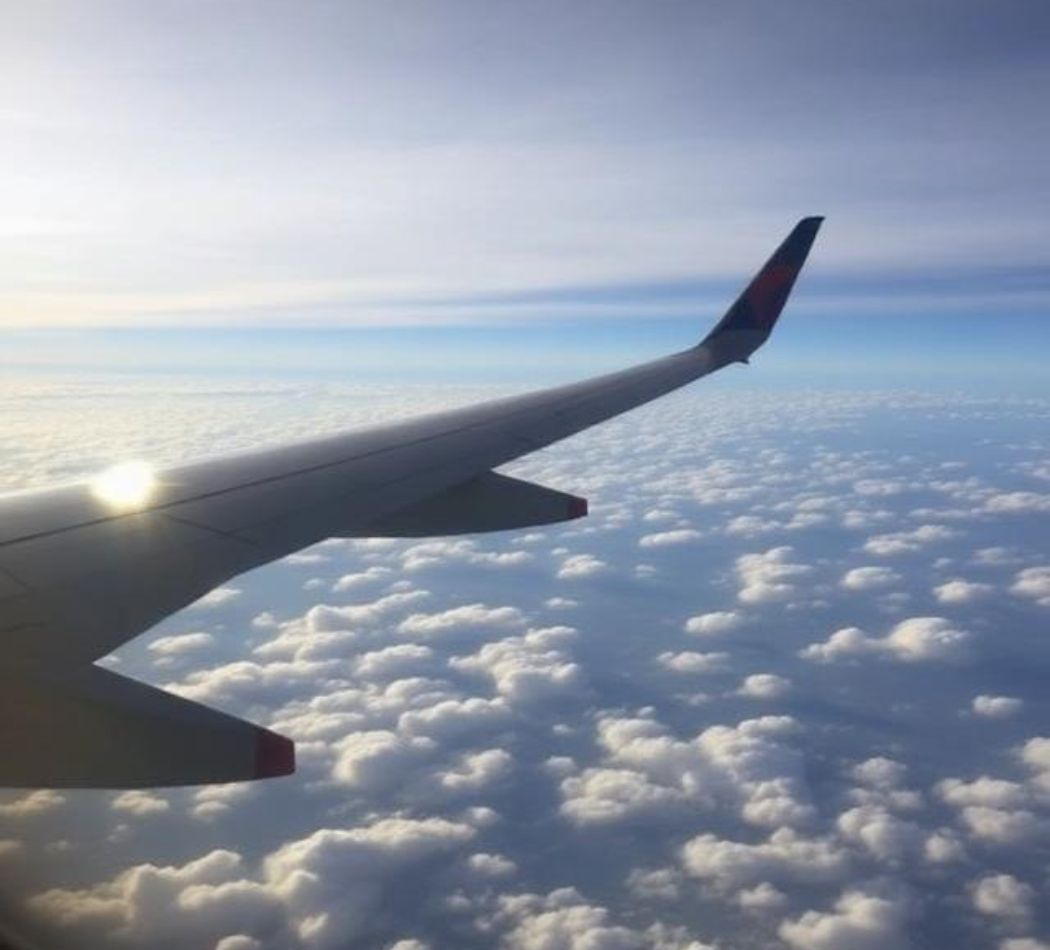
You’re settled into your seat on a state-of-the-art Airbus A350, cruising at 38,000 feet over the vast Pacific Ocean. Sushi dreams and Tokyo adventures dance in your head. You’ve just finished your second in-flight movie, and the cabin lights have dimmed for the night.
Then the captain’s voice crackles over the speakers—calm, professional, but carrying a weight that immediately silences the cabin: “Ladies and gentlemen, we’re experiencing a minor technical issue and will be diverting to Los Angeles.”
It’s the kind of announcement that makes every passenger’s heart skip. And in May 2025, this exact scenario unfolded for the nearly 300 passengers aboard Delta Flight DL275 from Detroit to Tokyo Haneda.
But here’s the twist: this wasn’t a dramatic emergency. There were no frantic oxygen masks, no terrifying drops in altitude. Instead, what happened on Delta Flight DL275 diverted to LAX became a masterclass in why modern aviation is the safest it’s ever been—and why those unexpected detours sometimes become the best travel stories you’ll ever tell.
What Actually Happened to Delta Flight DL275?
Flight Overview
Delta Flight DL275 is a regularly scheduled long-haul international service connecting Detroit Metropolitan Wayne County Airport (DTW) to Tokyo Haneda Airport (HND). On May 28, 2025, the aircraft operating this route was an Airbus A350-900, registration N508DN, powered by two Rolls-Royce Trent XWB engines—some of the most advanced turbofan engines in commercial aviation.
The flight departed Detroit as scheduled, with passengers settling in for the approximately 13-hour transpacific journey. The first several hours were entirely routine—meals were served, movies played, and the crew moved through the cabin with practiced efficiency.
The Mid-Flight Discovery
About halfway through the journey, while cruising at Flight Level 380 (approximately 38,000 feet) over the North Pacific, roughly 620 nautical miles southwest of Anchorage, Alaska, something changed.
The cockpit crew detected irregularities in the engine anti-ice system of one of the Rolls-Royce Trent XWB engines. This system is critical for high-altitude operation—it prevents ice from forming on engine components in the extreme cold of the upper atmosphere.
Now, here’s what most people don’t realize: this wasn’t a catastrophic failure. The engine wasn’t on fire. There was no loss of power. But the anti-ice system is essential for safe operation, especially on a transpacific route where diverting to an alternate airport isn’t as simple as popping into the nearest city.
As one passenger later recounted, “The words ‘technical alert’ are carefully chosen—it doesn’t throw people into a frenzy of fear, but signals something serious enough that the only understandable next step is taking a new plan”.
The Decision to Divert
The pilots made a textbook decision: rather than risk continuing across the Pacific Ocean with a potentially compromised engine system, they would divert to the nearest major airport with full maintenance capabilities.
The flight made a graceful U-turn over the Pacific—a moment passengers described as surreal when watching the flight path change on their seatback screens.
Why LAX? The Strategic Choice
Many passengers naturally wondered: Why Los Angeles? Wouldn’t somewhere closer—perhaps Anchorage or Seattle—make more sense?
The answer reveals the sophistication of modern aviation logistics:
| Consideration | Why LAX Was Chosen |
|---|---|
| Delta Hub | LAX is a major Delta hub with extensive resources and staff |
| Maintenance Facilities | Full-service maintenance hangars capable of inspecting and repairing an Airbus A350 |
| Passenger Support | International airport with customs, immigration, hotels, and rebooking capabilities for nearly 300 passengers |
| Runway Capacity | Long runways (including 06R) capable of handling wide-body international aircraft |
As one aviation observer noted, “Returning all the way to Detroit would have added even more hours and complications. Pilots train for exactly these scenarios, and in this case, they nailed it”.
Inside the Cabin: The Passenger Experience
The Announcement and Immediate Reaction
The cabin atmosphere shifted palpably after the captain’s announcement. Passengers who had been dozing sat upright. Conversations hushed. Many pulled out phones to check flight trackers, suddenly intensely interested in their location.
But what stands out in every account is the professionalism of the flight crew. Instead of panic, they provided reassurance and steady communication.
One passenger described: “The crew was incredible—extra snacks, constant updates, even jokes to keep spirits up”.
The flight attendants moved through the aisles with calm, steady purpose, answering questions and reminding passengers to remain seated with seatbelts fastened. “They were controlling the atmosphere,” another passenger observed.
The Approach and Landing
As the A350 descended toward Los Angeles, the mood shifted again—this time toward relief. City lights spread across the horizon, visible through cabin windows. The captain announced that it would be a normal landing, though emergency vehicles would be on standby as a precaution.
The aircraft landed safely on Runway 06R at LAX just after 1 a.m. local time. A smattering of applause rippled through the cabin—the collective release of tension from passengers grateful to be on solid ground.
In total, the plane had been airborne for more than 12 hours—nearly the full time it would have taken to reach Tokyo.
After Landing: Delta’s Response
Delta’s ground team was ready. Staff met passengers at the gate with:
-
Hotel vouchers for overnight accommodation
-
Meal vouchers for immediate refreshments
-
Rebooking assistance to get passengers on alternative flights to Tokyo
Some passengers flew out to Tokyo the very next day. Others chose to turn their unexpected detour into a spontaneous 48-hour California adventure.
The affected A350 was grounded in Los Angeles for approximately 18.5 hours as maintenance teams conducted thorough inspections and repairs before returning it to service.
The Technical Deep Dive: What Is an Engine Anti-Ice System?
To truly understand the Delta flight DL275 diverted to LAX incident, it helps to understand the technology involved.
Why Anti-Ice Systems Matter
At cruising altitude (38,000 feet), temperatures can drop to -50°F (-45°C) or lower. At these temperatures, moisture in the air can freeze on engine components, potentially causing:
-
Ice accumulation on fan blades, disrupting airflow
-
Reduced engine thrust or performance issues
-
In extreme cases, engine failure
The Rolls-Royce Trent XWB anti-ice system prevents this by regulating temperature and airflow inside the engine, ensuring that ice cannot form on critical components.
Is This Dangerous?
The short answer: no immediate danger was present. The diversion was precautionary, not an emergency.
Modern aviation systems are designed to detect issues early and respond before they become serious. As one aviation expert explained, the issue was likely “a localized fault in the anti-ice subsystem, rather than a broader problem with the aircraft or engine itself”.
The crew followed standard operating procedures and aviation safety regulations, choosing to divert to the nearest suitable airport with maintenance support rather than risk continuing over the ocean.
What This Tells Us About Aviation Safety
Safety First, Always
It’s easy to see flight delays and diversions as inconveniences. But they actually represent one of aviation’s greatest strengths: a safety culture that prioritizes caution over schedule.
Every diversion is a sign that safety systems work—that professional crews identify potential problems before they become actual emergencies and take appropriate action.
Crew Training Matters
The crew’s performance on DL275 exemplifies why flight crew training is so rigorous. They maintained passenger confidence, managed communication effectively, and made technically sound decisions under pressure.
Airports as Safety Nets
Not every airport can handle a diverted wide-body international aircraft. LAX’s capacity to absorb 300 passengers, conduct maintenance, and facilitate onward travel made it the ideal choice.
Passenger Rights and Compensation
What Were Passengers Entitled To?
Under international aviation rules, passengers on this U.S.-to-Japan flight were entitled to:
-
Meals and refreshments during the delay
-
Accommodation if an overnight stay was required
-
Rebooking on alternative flights
Delta delivered on all fronts, providing hotel rooms, meal vouchers, and rebooking assistance.
Tips for Claiming Compensation
While EU261-style compensation rules don’t apply to U.S. carriers on non-EU routes, many passengers can claim through:
-
Travel insurance (check if your policy covers “flight interruptions”)
-
Credit card travel protection (many premium cards offer trip interruption coverage)
-
The airline directly (especially if significant delays occurred)
Pro tip: Always photograph your boarding pass and keep receipts for any incidental expenses—it makes claims much easier.
The Aircraft: Airbus A350-900 Facts
For aviation enthusiasts, here’s what makes the A350 special:
| Feature | Specification |
|---|---|
| Range | Up to 8,100 nautical miles |
| Engines | Rolls-Royce Trent XWB |
| Passenger Capacity | 300-350 (depending on configuration) |
| Fuel Efficiency | 25% more fuel-efficient than previous-generation aircraft |
The A350 is considered one of the most advanced commercial aircraft in service, making the DL275 incident notable precisely because the aircraft’s safety systems worked exactly as designed.
Lessons Learned from DL275
For Travelers
-
Diversions happen—it’s a sign of safety, not failure
-
Trust the crew—they’re trained for these situations
-
Keep your phone charged—you’ll want to contact hotels and rebook
-
Have travel insurance—it makes unexpected detours more manageable
-
Stay flexible—sometimes the best travel stories come from detours
For Aviation Enthusiasts
The DL275 diversion is a textbook case of threat and error management in modern aviation. The crew identified a potential threat (anti-ice malfunction), assessed the risks (Pacific crossing with potential engine issues), and made the conservative, safe choice (diversion).
Quick Summary / Key Takeaways
-
Delta Flight DL275 (Detroit→Tokyo Haneda) diverted to LAX on May 28, 2025
-
Cause: Airbus A350 engine anti-ice system malfunction detected mid-flight
-
Location: Over North Pacific, ~620 nautical miles SW of Anchorage at 38,000 feet
-
Safety: Precautionary diversion—no injuries or emergency declared
-
Outcome: Safe landing at LAX, passengers rebooked, aircraft repaired within 18.5 hours
-
What it shows: Modern aviation safety systems work exactly as designed
Detailed FAQs
Was Anyone Hurt on Delta Flight DL275?
No. There were no reported injuries or safety incidents on board. The diversion was a safety precaution, not an emergency response.
Why Did DL275 Divert to Los Angeles Instead of Another Airport?
LAX is a major Delta hub with comprehensive maintenance facilities, long runways suitable for the A350, and capacity to handle 300 international passengers with rebooking, customs, and hotel support.
What Caused the Diversion of Delta Flight DL275?
A technical issue with the Rolls-Royce Trent XWB engine anti-ice system was detected mid-flight. This system prevents ice from forming on engine components at high altitude. The crew chose to divert rather than risk continuing across the Pacific.
How Long Was the Flight Before Landing at LAX?
The aircraft was airborne for more than 12 hours before touching down at LAX—nearly the full time it would have taken to reach Tokyo.
Did Delta Provide Compensation or Assistance?
Yes. Passengers received hotel vouchers, meal vouchers, and rebooking assistance. Some flew to Tokyo the next day; others chose to extend their stay in Los Angeles.
Is Flying on an Airbus A350 Safe After This Incident?
Absolutely. The incident shows the aircraft’s safety monitoring systems worked as designed. The A350 remains one of the safest and most advanced commercial aircraft in operation.
How Long Was the Aircraft Grounded?
The affected A350 (N508DN) was grounded for approximately 18.5 hours for inspections and repairs before being returned to service.
What Should I Do If My Flight Is Diverted?
Stay calm, follow crew instructions, keep your phone charged, take photos of your boarding pass and receipts, contact your travel insurance provider if needed, and work with airline staff for rebooking and accommodation assistance.
Conclusion
The story of Delta Flight DL275 diverted to LAX is ultimately a story of why aviation is so remarkably safe. Every decision made—from the cockpit crew who identified a potential issue and chose the prudent path, to the cabin crew who kept passengers informed and calm, to the ground team at LAX who had passengers rebooked and accommodated within hours—reflects an industry that has learned to prioritize safety above all else.
For the passengers, an unexpected detour became an inconvenience. But it could also be seen as a reassurance: the systems and professionals that keep millions of us safe in the air every day are working exactly as they should.
And for those who turned their LAX stopover into a spontaneous California adventure? They got a travel story that beats “I had a nice flight to Tokyo” every time.
Safe travels, and remember: a detour isn’t a disaster—it’s just a more interesting route.
Sources
-
Travel And Tour World (May 2025): “Delta Air Flight DL275 Detroit to Tokyo Diverts to Los Angeles After Airbus A350 Engine Issue”
-
Medium/Ellenre (March 2026): “Why Delta Flight DL275 Diverted to LAX — Full Explanation”
-
Huarenca (August 2025): “Delta Flight DL275 Emergency Diversion to Los Angeles: A Passenger’s Story”
-
Travel And Tour World (May 2025): “Delta Air Flight Diversion Puts Detroit and Los Angeles in the Spotlight”
-
CohortMax (February 2026): “Delta Flight DL275 Diverted LAX – Understanding the Event and Its Implications”
-
The Explorer’s Edit (April 2026): “Delta Flight DL275 Japan Diversion LAX”
-
TypeHuman (January 2026): “Delta Flight DL275: The LAX Diversion Explained”