
 By gold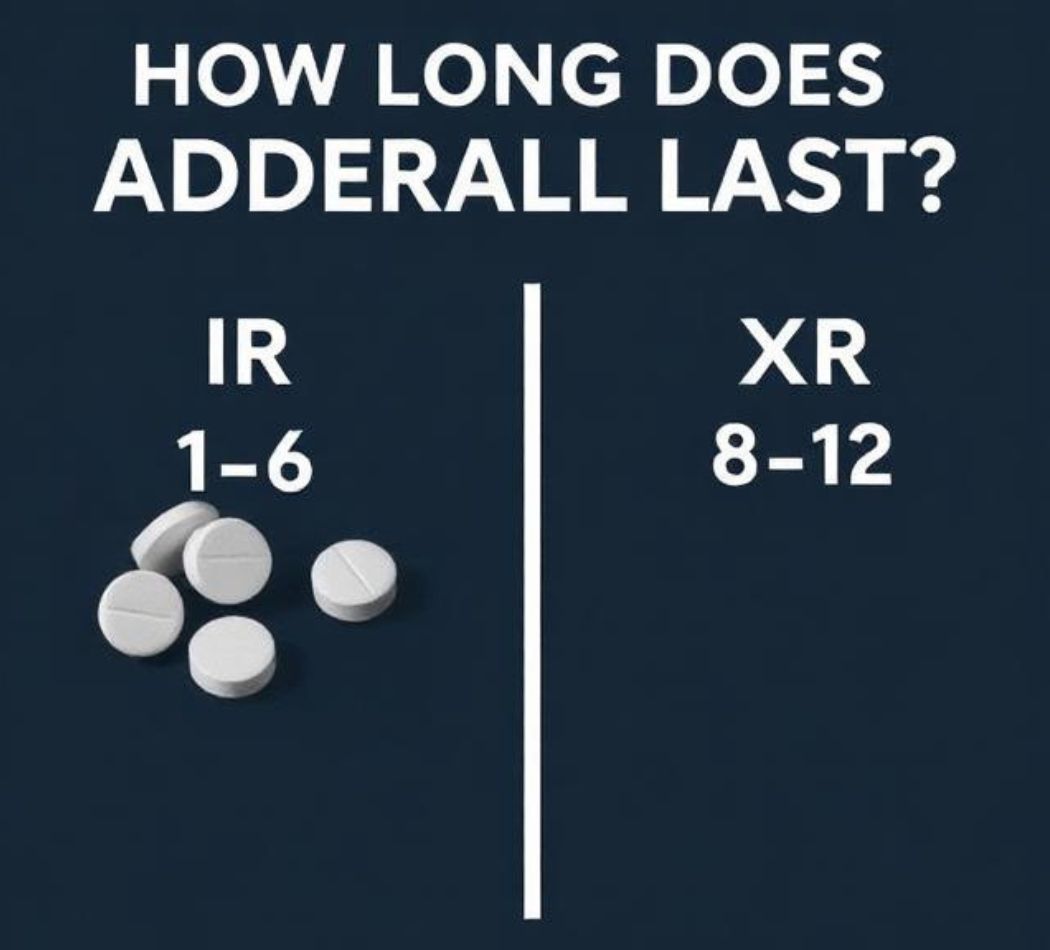
You’ve just taken your morning dose of Adderall. You’re ready to conquer the day—that familiar wave of focus and clarity washes over you. But as the afternoon sun streams through your window, a nagging question surfaces: How long is this going to last?
It’s a question that matters far more than simple curiosity. Whether you’re a student managing ADHD, a professional navigating a demanding career, or someone newly prescribed this medication, understanding Adderall’s timeline is crucial for planning your day, managing side effects, and working effectively with your healthcare provider.
Here’s the short answer: The therapeutic effects of Adderall typically last between 4 to 12 hours, depending entirely on which formulation you take—immediate-release (IR) or extended-release (XR). But the full story is much more nuanced, involving your body’s unique chemistry, what you eat and drink, and even the time of day you take your medication.
Let’s dive deep into everything you need to know about how long Adderall lasts in your system.
Background: Understanding Adderall’s Mechanism
Before we explore duration, it’s helpful to understand what Adderall actually is. Adderall is a brand-name medication containing a combination of amphetamine and dextroamphetamine salts—specifically, a 3:1 ratio of d-amphetamine to l-amphetamine. It’s primarily prescribed for Attention-Deficit/Hyperactivity Disorder (ADHD) in adults and children aged 3 and older, as well as for narcolepsy.
The medication works by increasing the levels of neurotransmitters in the brain—specifically dopamine and norepinephrine—which play key roles in focus, attention, and impulse control. The sudden drop in these neurotransmitters when the medication wears off is what leads to what many people call the “Adderall crash”.
Main In-Depth Sections
Adderall IR vs. Adderall XR: The Two Formulations
Understanding how long Adderall lasts starts with knowing which version you’re taking. Let’s break down the key differences:
Adderall Immediate-Release (IR)
Duration of effect: Approximately 4 to 6 hours
-
Onset: Starts working within 30 to 60 minutes, with peak plasma concentrations occurring at about 3 hours after dosing
-
Dosing schedule: Typically taken 2 to 3 times daily to maintain consistent symptom management
-
Format: Uncoated tablets that dissolve quickly, releasing the entire dose at once
-
Approved uses: ADHD and narcolepsy
-
Approved age: 3 years and older
Adderall IR provides flexibility—you can time your doses around your daily schedule. If you only need focus for a specific part of the day, this formulation allows you to take medication only when necessary. However, the need for multiple daily doses can be inconvenient and may lead to “gaps” in coverage if you miss a dose.
Adderall Extended-Release (XR)
Duration of effect: Approximately 8 to 12 hours
-
Onset: Begins working within 30 to 60 minutes, but because of the extended-release mechanism, peak plasma levels occur at about 7 hours (roughly 4 hours later than IR)
-
Dosing schedule: Typically taken once daily in the morning
-
Format: Capsules containing coated beads—half release immediately, and half release approximately 4 hours later
-
Approved uses: ADHD only (not approved for narcolepsy)
-
Approved age: 6 years and older
The gradual release mechanism of Adderall XR means you’ll experience a more sustained effect throughout the day, making it ideal for individuals who need all-day symptom control without the hassle of remembering multiple doses.
| Formulation | Duration of Effect | Onset Time | Typical Dosing | Approved Ages |
|---|---|---|---|---|
| Adderall IR | 4-6 hours | 30-60 minutes | 2-3 times daily | 3+ years |
| Adderall XR | 8-12 hours | 30-60 minutes | Once daily | 6+ years |
Note: In clinical studies, a single 20 mg dose of Adderall XR provides comparable plasma concentration profiles to taking Adderall IR 10 mg twice daily, spaced 4 hours apart. Think of it as two IR doses in one capsule.
How Long Does Adderall Stay in Your System vs. How Long Do Effects Last?
This is a critical distinction that many people confuse. “How long Adderall lasts in your body” is different from “how long its therapeutic effects last.”
-
Therapeutic effects (how you feel): Lasts 4-6 hours (IR) or 8-12 hours (XR)
-
Detection in the body: The medication itself remains detectable in your system for about 1.5 to 3 days after your last dose
The Half-Life Explanation
The half-life is the time it takes for half of the drug to be eliminated from your body. A medication is generally considered fully eliminated after 4 to 5 half-lives.
Adderall contains two active components with different half-lives:
For d-amphetamine:
-
Adults (18+): 10 hours
-
Adolescents (13-17): 11 hours
-
Children (6-12): 9 hours
For l-amphetamine:
-
Adults (18+): 13 hours
-
Adolescents (13-17): 13-14 hours
-
Children (6-12): 11 hours
Since l-amphetamine has the longer half-life, it’s the component that determines how long Adderall stays in your system. For an adult, this means it takes about 13 hours for half the l-amphetamine to be eliminated, and roughly 2-3 days for the full dose to clear your system.
Factors That Influence How Long Adderall Lasts
Several individual factors can alter how long you experience Adderall’s effects and how quickly your body clears the medication:
1. Urine pH
This is one of the most significant factors. Acidic urine (low pH) speeds up the elimination of Adderall, while alkaline urine (high pH) slows it down.
-
Acidifying agents (like Vitamin C, cranberry juice, and KPhos) decrease blood levels and shorten duration
-
Alkalinizing agents (like sodium bicarbonate and some PPIs) increase absorption and prolong effects
2. Diet and Food Intake
Food can significantly affect how quickly Adderall is absorbed. A high-fat meal can delay the time to peak concentration by about 2.5 hours for d-amphetamine, meaning it takes longer to kick in. However, the total amount absorbed remains similar—so you won’t necessarily need a higher dose.
3. Age and Body Weight
-
Children eliminate amphetamines faster than adults on a mg/kg basis, with half-lives approximately 1-2 hours shorter
-
However, children often have higher systemic exposure to the drug for a given dose because doses are often weight-based
-
Body weight is a primary determinant of clearance differences across age groups
4. Kidney and Liver Function
Approximately 20-25% of Adderall is metabolized by the liver, while a significant portion is excreted unchanged in the urine. Any impairment in either organ can slow elimination and prolong effects.
5. Frequency and Dose
Higher doses and long-term use can lead to accumulation—meaning it takes longer to clear from your system. If you take Adderall regularly, the half-life “resets” with each dose.
6. Drug Interactions
-
Proton pump inhibitors (like omeprazole) and MAOIs can increase absorption and prolong effects
-
Acidifying medications can reduce absorption and shorten duration
The Adderall Crash: What Happens When It Wears Off
The “crash” or “comedown” is the period after Adderall’s effects wear off, characterized by symptoms that are essentially the opposite of the medication’s effects. This happens because of the sudden drop in dopamine and norepinephrine levels in the brain.
Common Crash Symptoms
-
Extreme fatigue or exhaustion
-
Depressed mood or sadness
-
Irritability and agitation
-
Difficulty concentrating (“mental fog”)
-
Increased appetite (a rebound from appetite suppression)
-
Sleep disturbances (insomnia or oversleeping)
-
Anxiety or restlessness
-
Cravings for Adderall
-
Vivid or unpleasant dreams
Timeline of the Crash and Withdrawal
If you stop taking Adderall suddenly, you may experience a distinct withdrawal timeline:
-
Day 1: The crash begins about 6-12 hours after the last dose. Initial symptoms include exhaustion, fatigue, and depression. The drug typically leaves the system within 24 hours.
-
Days 2-4 (Peak): Symptoms are most intense during the first 72 hours. You may experience severe anxiety, depression, and fatigue. In cases of heavy, long-term use, nightmares, hallucinations, and paranoia can occur.
-
Days 5-14: Symptoms begin to fade, though moodiness and social withdrawal may persist.
-
Weeks 3-4: Most symptoms should subside, though cravings may persist longer. For individuals who have used Adderall for over a year at high doses, some symptoms may linger for weeks or months.
Tips for Managing the Crash
-
Never take more than prescribed—higher doses lead to more intense crashes
-
Stay hydrated and eat balanced meals
-
Get adequate rest—sleep is crucial for neurochemical recovery
-
Avoid other stimulants like caffeine and nicotine, which can worsen symptoms
-
Consider a gradual taper with your healthcare provider rather than stopping abruptly
Common Mistakes and Challenges + Solutions
Mistake 1: Taking Adderall with Vitamin C or Acidic Foods
The problem: Vitamin C and acidic foods (like orange juice) can reduce the absorption of Adderall and shorten its duration of effect.
The solution: Take your Adderall at least 1 hour before or 2 hours after consuming acidic foods or vitamin C supplements.
Mistake 2: “Chasing” the Crash with Caffeine
The problem: When you feel the crash coming on, reaching for a strong coffee might seem logical. However, caffeine can worsen anxiety, jitteriness, and sleep disturbances, and can also interfere with your ability to recognize when it’s time to re-dose properly.
The solution: If you need an afternoon boost, consult your healthcare provider about timing your Adderall doses appropriately rather than self-medicating with caffeine.
Mistake 3: Crushing or Chewing XR Capsules
The problem: Adderall XR capsules contain specialized beads designed for gradual release. Crushing or chewing them destroys the extended-release mechanism, delivering the entire dose at once and potentially causing dangerous side effects.
The solution: Swallow XR capsules whole. If you have difficulty swallowing, check with your pharmacist about sprinkling the contents on applesauce (this is approved for Adderall XR).
Mistake 4: Inconsistent Dosing
The problem: Taking your medication at irregular times makes it difficult to maintain steady symptom control and can lead to unpredictable crash timing.
The solution: Set a consistent daily schedule. For XR, take it at the same time each morning. For IR, space your doses evenly throughout the day, typically 4-6 hours apart.
Mistake 5: Ignoring Warning Signs of Dependence
The problem: Relying on Adderall for energy or focus beyond therapeutic use, increasing doses without medical supervision, or continuing despite negative side effects.
The solution: Be honest with yourself and your healthcare provider about your usage patterns. If you find yourself needing more Adderall to achieve the same effect, or if you experience significant withdrawal symptoms between doses, it’s essential to discuss this with your doctor.
Pros, Cons, and Balanced Analysis
Adderall IR
Pros:
-
Flexibility: You can tailor dosing to your daily schedule
-
Predictable: You know exactly when effects will start and stop
-
Allows “breaks”: You can skip afternoon doses if you don’t need coverage
Cons:
-
Frequent dosing: Requires remembering to take it 2-3 times daily
-
“Peak and valley” effect: Blood levels fluctuate more dramatically, which can lead to more pronounced crashes between doses
-
Higher abuse potential: IR is more frequently misused due to its rapid onset and more intense effect
Adderall XR
Pros:
-
Convenience: One dose covers the entire day
-
Smoother profile: Gradual release means fewer peaks and valleys
-
Better coverage: More consistent symptom control throughout the day
-
Lower abuse potential: Extended-release properties make it less attractive for misuse
Cons:
-
Less flexibility: You can’t easily adjust your coverage for shorter days
-
Longer duration of side effects: If you experience negative side effects (like appetite suppression), they’ll last longer throughout the day
-
Potential sleep interference: Taking it too late in the day can disrupt sleep
Future Trends and Predictions (2026 and Beyond)
As of 2026, the landscape of ADHD treatment continues to evolve. Here are some trends shaping the future:
1. Personalized Dosing Based on Genetics
The role of CYP2D6 (an enzyme involved in amphetamine metabolism) is gaining attention as a genetic factor that affects how individuals metabolize Adderall. In the coming years, genetic testing may help determine optimal dosing strategies, minimizing trial-and-error prescribing.
2. Advancements in Extended-Release Formulations
New technologies are exploring multi-pulse delivery systems that could provide even more refined control over medication release. The goal is to reduce side effects while maintaining efficacy, potentially offering options between IR and XR.
3. Increased Awareness of the “Crash”
As research on dopamine regulation deepens, clinicians are increasingly focused on strategies to mitigate the comedown effects of stimulants. This includes prescribing schedules that minimize peak-trough fluctuations and recommending lifestyle interventions to support neurochemical balance.
4. Non-Stimulant Alternatives
While Adderall remains a first-line treatment, non-stimulant options (like viloxazine and guanfacine) are gaining ground for patients who can’t tolerate stimulant crashes or side effects. The trend is toward a more nuanced, “toolbox” approach rather than a one-size-fits-all solution.
5. Digital Therapeutics and Adherence
Apps that track medication timing, symptom severity, and side effects are becoming more sophisticated. In the near future, your smartphone may help optimize when you take your Adderall based on your daily routine and symptom patterns.
Practical Tips / How-to / Actionable Advice
-
Know Your Formulation: Check your prescription bottle—it will specify IR or XR. This determines your dosing schedule and expected duration of effect.
-
Plan Your Dose Timing: For XR, take it within 30 minutes of waking. For IR, plan for your first dose upon waking and subsequent doses 4-6 hours apart to avoid gaps in coverage.
-
Watch What You Eat: Avoid acidic foods and vitamin C within an hour of taking Adderall to maximize absorption. A high-fat breakfast may delay the onset of effects.
-
Stay Hydrated and Nourished: Even with reduced appetite, eating regular meals can help stabilize your mood and energy levels, reducing crash severity.
-
Track Your Symptoms: Keep a journal of when you take your medication, when you feel it wearing off, and any side effects you experience. This is invaluable data for your healthcare provider to fine-tune your dosage.
-
Communicate with Your Healthcare Provider: Don’t hesitate to discuss concerns about duration, crash symptoms, or side effects. There may be alternative formulations or dosing strategies that work better for you.
Common Mistakes and Challenges + Solutions (Expanded)
Challenge: Difficulty Sleeping
Solution: Avoid taking Adderall XR after 10 AM, and IR after 4 PM (or 6 hours before bedtime). If sleep disruption persists, discuss with your doctor—you might benefit from a lower dose or a different formulation.
Challenge: Midday Crash on XR
Solution: Paradoxically, some people experience a “midday slump” on XR. This could indicate that the dose is wearing off before the full 12 hours are up. Discuss with your doctor whether a higher dose of XR or an afternoon IR “booster” might be appropriate.
Challenge: Appetite Suppression Leading to Weight Loss
Solution: Set reminders to eat regular, nutrient-dense meals even when you’re not hungry. Smoothies and liquid meal replacements can be easier to consume when appetite is suppressed. Eating before taking your morning dose can also help maintain stable blood sugar levels.
Challenge: Anxiety or Jitteriness
Solution: This could be a sign of too high a dose or taking it too late in the day. Always start with the lowest effective dose and titrate slowly under medical supervision. Some people find that taking their dose immediately after eating reduces jitteriness.
Key Takeaways
-
Duration: Adderall IR lasts 4-6 hours; Adderall XR lasts 8-12 hours.
-
Detection: The medication stays in your system for 1.5 to 3 days, detectable through drug tests.
-
Half-Life: l-amphetamine, one of the active components, has a half-life of about 13 hours in adults, meaning it takes roughly 2-3 days to fully clear.
-
Formulation Differences: IR provides flexible, shorter coverage; XR provides once-daily, all-day coverage.
-
Crash Symptoms: Fatigue, depression, irritability, and difficulty concentrating are common and usually begin 6-12 hours after the last dose.
-
Factors Affecting Duration: Urine pH, diet, age, body weight, organ function, and drug interactions can all alter duration.
-
Management: Consistent dosing, proper nutrition, hydration, and open communication with your healthcare provider are key to managing Adderall effectively.
Detailed FAQs
1. How long does 20 mg of Adderall last?
Answer: The dose doesn’t change the duration—it primarily affects the intensity. A 20 mg dose of Adderall IR will still last about 4-6 hours, while Adderall XR 20 mg will last 8-12 hours. Higher doses don’t necessarily last longer; they produce stronger effects during the same timeframe.
2. How long does Adderall XR last?
Answer: Adderall XR lasts approximately 8 to 12 hours. The extended-release beads release half the dose immediately and the other half about 4 hours later, providing a sustained effect throughout the day.
3. How long does it take for Adderall to kick in?
Answer: Both IR and XR formulations typically start working within 30 to 60 minutes. However, XR reaches peak plasma concentration at about 7 hours (compared to 3 hours for IR) due to its extended-release mechanism.
4. How long does a 30 mg Adderall stay in your system?
Answer: Similar to other doses, Adderall 30 mg stays in your system for about 1.5 to 3 days, regardless of the formulation. A higher dose doesn’t necessarily stay in the system longer; the duration of detectability depends on half-life, which is dose-independent.
5. How long does Adderall last in your system for a drug test?
Answer: Adderall can be detected in urine for 1.5 to 3 days after your last dose. However, detection windows vary based on factors like urinary pH, frequency of use, and individual metabolism.
6. Why does my Adderall not last as long as it used to?
Answer: This could be due to several factors: tolerance (your body becoming accustomed to the dose), changes in diet (particularly consumption of acidic foods or vitamin C), changes in urine pH, or interactions with other medications. Always consult your healthcare provider before considering a dose adjustment.
7. Can I take Adderall XR twice a day?
Answer: No—Adderall XR is typically taken once daily in the morning. Taking it twice daily could lead to insomnia and excessive side effects. If you need coverage longer than 12 hours, your doctor might prescribe an IR booster in the afternoon, but this should only be done under medical supervision.
8. What is the Adderall crash and how long does it last?
Answer: The Adderall crash is the period when the medication’s effects wear off, marked by fatigue, depression, irritability, and difficulty concentrating. It typically begins 6-12 hours after the last dose and may last 1-3 days for withdrawal symptoms, though acute crash symptoms usually resolve within hours.
9. Does food affect how long Adderall lasts?
Answer: Yes, especially high-fat meals, which can delay the time to peak concentration by about 2.5 hours. While the total amount absorbed is similar, the delayed absorption can alter how quickly you feel the effects and potentially affect the perceived duration.
Sources
-
GoodRx. “How Long Does Adderall Last in the Body?” Updated December 2024.
-
Medical News Today. “Adderall crash: Timeline, tips, and remedies.” Published April 2018.
-
Drugs.com. “How long does Adderall last in your system?” Updated August 2024.
-
The Recovery Village Indianapolis. “Adderall XR vs. IR: How Do They Differ?” Updated January 2025.
-
Medical News Today. “Adderall: How long does it stay in your system?” Published March 2021.
-
Recovered. “Adderall Crash: Symptoms, Timeline, and Management.” Updated April 2026.
-
1st Step Behavioral Health. “Comparing Adderall IR vs Adderall XR.” Published August 2025.
-
American Addiction Centers. “How Long Does Adderall Stay in Your System?” Updated May 2025.
-
Verywell Health. “Adderall XR vs. IR: How Are They Different?” Updated February 2024.
-
FDA. “Adderall XR Prescribing Information (Label).”
-
Avenues Recovery. “Adderall Withdrawal: Symptoms and Timeline.” Updated January 2026.
-
Banyan Treatment Center. “How Long Does Adderall Last?” Updated November 2024.
-
Groups Recover Together. “Adderall Withdrawal Timeline: The First 30 Days.” Updated December 2025.
Disclaimer: This article is for informational purposes only and does not constitute medical advice. Always consult with a qualified healthcare provider for medical guidance, diagnosis, and treatment. Never adjust your medication dosage or schedule without professional supervision.