
 By gold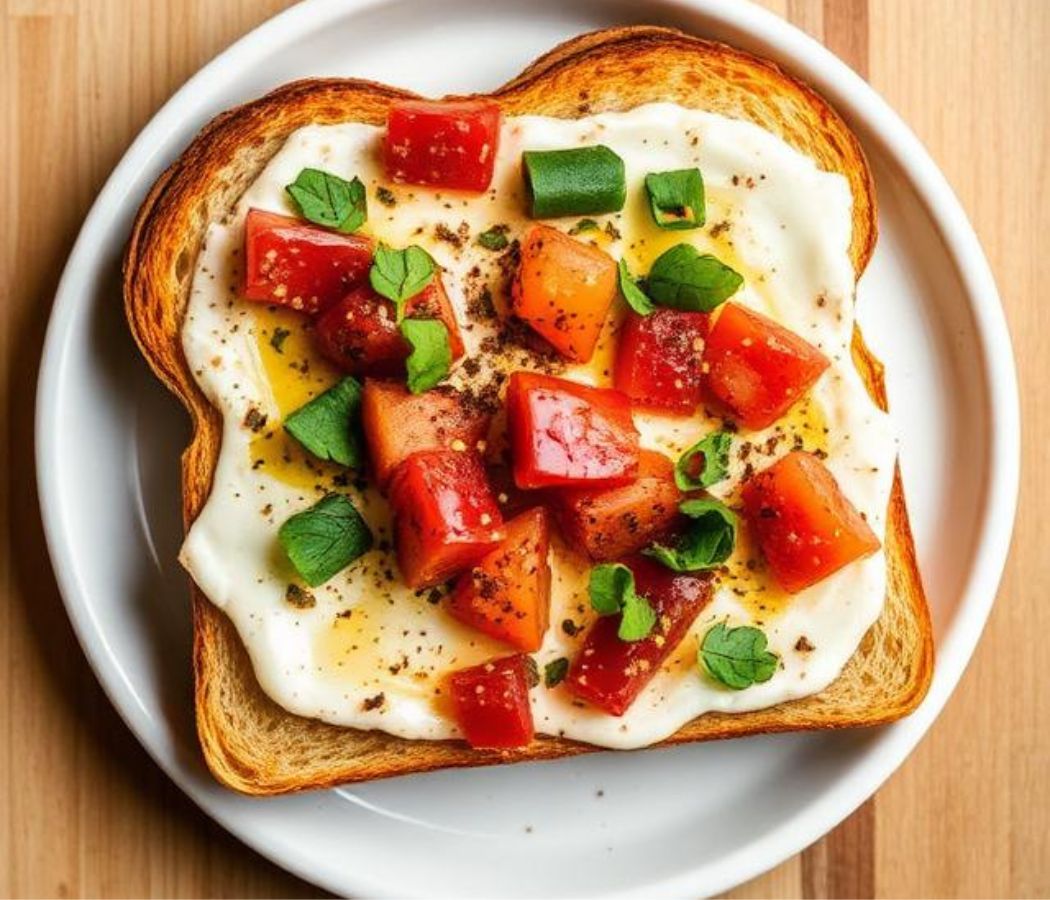
Imagine this: It is a quiet Sunday morning. The sun filters through your kitchen blinds as you pour a fresh cup of coffee. You reach for a thick slice of golden-brown sourdough, still warm from the pan. You spread a creamy layer of almond butter, followed by perfectly arranged banana coins, a sprinkle of chia seeds, and finally, a golden drizzle of honey.
This is Toastul. It is not just toast. It is a warm memory, a work of edible art, and the breakfast trend taking over social media.
But why has this simple dish gone viral? Is it just avocado toast with a cooler name, or is there something deeper happening here? Welcome to the Toastul Revolution.
What Exactly is Toastul?
At its core, Toastul is a thick slice of toasted bread—usually sourdough—topped with nutrient-dense ingredients like nut butter, fresh fruit, seeds, and natural sweeteners. The term likely fuses “toast” with a stylistic suffix to make it catchy and brandable, a perfect storm for TikTok virality.
However, to dismiss it as mere “fancy toast” misses the point. According to food culture experts, Toastul represents a shift away from processed convenience toward intentional eating. It bridges the gap between the speed of a quick breakfast and the quality of a gourmet brunch.
The Standard Toastul Formula:
-
The Base: Thick-cut sourdough or hearty bread.
-
The Spread: Almond butter, ricotta, or thick Greek yogurt.
-
The Fruit: Sliced bananas, berries, or figs.
-
The Crunch: Chia seeds, hemp hearts, or crushed walnuts.
-
The Drizzle: Raw honey or agave.
Why Toastul is a Health Powerhouse
Unlike sugary cereals or processed pastries, Toastul is a customizable delivery system for macro and micronutrients.
1. Sustained Energy
The artisanal bases used in Toastul are rich in complex carbohydrates. These break down slowly, providing a steady stream of glucose to the brain and muscles. This prevents the dreaded “insulin spike” that leads to mid-morning fatigue.
2. Healthy Fats
Whether it’s the monounsaturated fats from almond butter or the Omega-3s from chia seeds, these fats are essential for hormone production and keeping you full until lunch.
3. The “Fat Barrier” Trick
Professional chefs use a specific technique to prevent soggy toast: the fat barrier. By placing a fat (butter, oil, or nut butter) directly on the hot bread, you seal the surface. This allows you to add juicy toppings like bananas or tomatoes without losing the structural integrity of your crunch.
The Science of the Perfect Crunch
Why does Toastul taste so much better than regular toast? Chemistry.
Achieving the Toastul ideal requires a specific type of browning known as the Maillard reaction. This is the chemical reaction between amino acids and reducing sugars that gives browned food its distinctive, savory flavor.
How to Master the Toastul Texture:
-
Ditch the Pop-up Toaster: For a true Toastul, use a cast-iron skillet with a touch of olive oil.
-
The Sear: Place your sourdough in the pan until the edges are charred and the center is deep golden brown—not just scorched on the surface.
-
The Cut: Slice thick. For most artisanal breads, a thickness of ½ inch to ¾ inch is ideal. This allows the outside to become perfectly crisp while the inside remains soft and chewy.
Global Variations: Beyond the Banana
While the banana-almond butter combo is the “OG” viral recipe, Toastul has taken on local flavors across the globe.
The Nordic Toastul: Dark rye bread topped with pickled herring, dill, and a dollop of sour cream. It is savory, salty, and utterly sophisticated.
The Japanese Fusion Toastul: Using thick-cut “Shokupan” (milk bread), this version often incorporates matcha spreads, red bean paste, or a savory miso-mayo with corn.
The Savory Toastul: If you prefer salt over sweet, try a layer of goat cheese, sliced smoked turkey, roasted beets, and a drizzle of hot honey. This combination hits every flavor profile: creamy, salty, sweet, and spicy.
Common Mistakes to Avoid
Even with the best ingredients, your Toastul can fall flat. Here is what to avoid:
-
Soggy Bottom Syndrome: Placing wet ingredients (like tomatoes or fresh fruit) directly on dry bread. Fix: Always put your fat barrier down first.
-
Under-Seasoning: Bread and fat require salt to bring out their natural flavors. A sprinkle of flaky sea salt (like Maldon) can elevate a sweet Toastul from mundane to extraordinary.
-
Over-toasting: Burning the bread creates a bitter taste that masks the delicate flavors of your premium toppings.
The Viral Recipe: How to Make the OG Toastul
Ready to see what the hype is about? This is the recipe that broke the internet according to Viral Healthy Recipes.
-
Prep Time: 5 minutes
-
Cook Time: 2 minutes
-
Yield: 1 serving
Ingredients:
-
1 thick-cut slice of Sourdough bread
-
1 tbsp Almond butter (or any nut/seed butter)
-
1 Banana (sliced into thin coins)
-
1 tsp Chia seeds
-
1 tsp Honey (or agave for vegan)
Instructions:
-
Toast: Heat a cast-iron skillet over medium heat. Add a splash of oil. Place the sourdough in the pan and cook until golden brown and crisp on both sides.
-
Spread: Immediately spread the almond butter evenly over the hot toast. (The heat will soften the spread).
-
Layer: Arrange the banana slices neatly in rows across the toast.
-
Sprinkle: Evenly sprinkle chia seeds over the bananas.
-
Drizzle: Finish with a zig-zag drizzle of honey.
Nutrition (Approx): Calories: 280 | Fat: 14g | Carbs: 32g | Fiber: 5g | Protein: 6g.
The “Toastul” vs. The World
It is worth noting that “Toastul” is a neologism. While it is a food trend now, the word “toast” has a long history. In Romanian, toastul is the defined form of “toast” (the speech), and in Swedish slang, toastol refers to a toilet.
But for the purpose of your 2025 morning routine? We are sticking with the delicious, Instagrammable bread.
Conclusion: Embrace the Ritual
The rise of Toastul signifies a return to quality and a celebration of the simple things. In a world that often feels chaotic, taking ten minutes to craft a beautiful, nutritious meal is an act of self-care.
You aren’t just making breakfast. You are participating in a global movement of mindful eating. So, grab that skillet, find a good bakery, and start toasting.
Have you tried the Toastul trend yet? Share your creations in the comments below.
Frequently Asked Questions (FAQs)
1. Is Toastul just for breakfast?
Not at all! While it is a breakfast staple, Toastul makes for a great post-workout snack or a light lunch (try the savory version with turkey and beets).
2. Can I make Toastul gluten-free?
Absolutely. Use a high-quality gluten-free sourdough or seeded bread to achieve the same texture.
3. Why is my Toastul getting hard instead of crunchy?
This usually happens if the bread is toasted at too low a temperature for too long, which dehydrates the bread entirely. Use higher heat for a shorter period to crisp the surface while keeping the interior moist.
4. What is the best bread for Toastul?
Sourdough is widely considered the gold standard due to its sturdy crumb and complex flavor, but seeded whole grain or rye are excellent alternatives.