
 By gold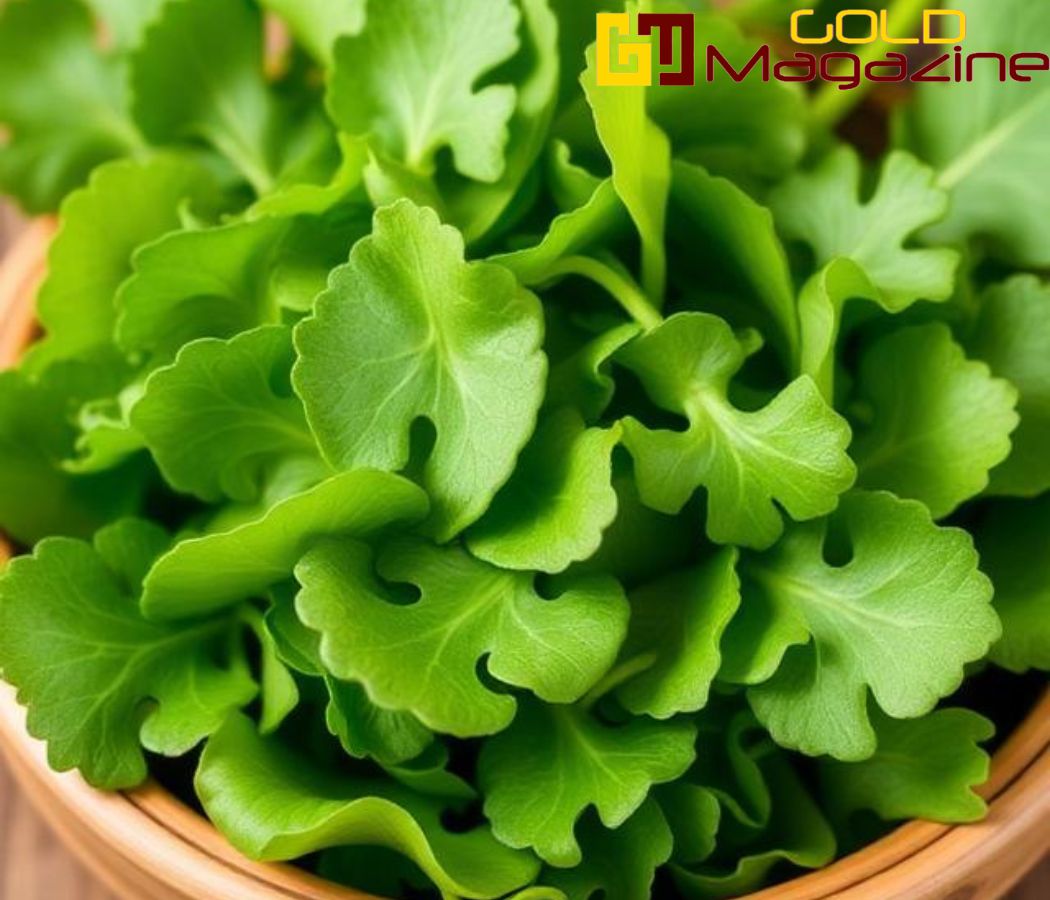
If you’re a fan of nutrient-dense leafy greens like kale or spinach, it’s time to make room on your plate for Tonghou. Also known as chrysanthemum greens, shungiku (in Japanese), or tung ho (in Chinese), this aromatic vegetable is a staple in many Asian hot pots and stir-fries.
But Tonghou is more than just a flavorful garnish. In this Tonghou superfood guide: nutrition, health benefits, we’ll explore why this humble green deserves a permanent spot in your weekly meal rotation.
What Is Tonghou? A Quick Overview
Tonghou refers to the edible leaves of the Glebionis coronaria (formerly Chrysanthemum coronarium) plant. It has a distinctive, slightly tangy, and peppery flavor with subtle herbaceous notes. The leaves are rich green, lobed, and tender when young.
Common names for Tonghou include:
-
Chrysanthemum greens
-
Edible chrysanthemum
-
Crown daisy
-
Shungiku (Japan)
-
Tan O (Vietnam)
It’s widely used in East Asian cuisine—from Japanese nabemono (hot pot) to Korean ssam (wraps) and Taiwanese oyster omelets.
Tonghou Nutrition Profile: Packed with Vitamins and Minerals
Let’s break down the numbers. One cup (approx. 50g) of raw Tonghou provides:
| Nutrient | Amount | % Daily Value (approx.) |
|---|---|---|
| Vitamin A | 2800 IU | 56% |
| Vitamin C | 8 mg | 9% |
| Vitamin K | 120 mcg | 100%+ |
| Folate (B9) | 35 mcg | 9% |
| Potassium | 300 mg | 6% |
| Calcium | 60 mg | 5% |
| Iron | 1.5 mg | 8% |
| Fiber | 1.5 g | 6% |
Key Highlights:
-
Low in calories (~10–15 calories per cup)
-
Zero fat and low sodium
-
Rich in antioxidants (beta-carotene, lutein, zeaxanthin)
-
Contains chlorogenic acid and flavonoids
Note: Tonghou is especially high in Vitamin K, which supports blood clotting and bone health.
Top 5 Science-Backed Health Benefits of Tonghou
In this section of our Tonghou superfood guide: nutrition, health benefits, we focus on how these nutrients translate into real health outcomes.
1. Supports Bone Health (Thanks to Vitamin K)
One cup of Tonghou provides more than 100% of your daily Vitamin K needs. Vitamin K activates osteocalcin, a protein that binds calcium to your bone matrix. Regular intake may reduce the risk of fractures and osteoporosis.
2. Boosts Immune Function
The combination of Vitamin C and Vitamin A (as beta-carotene) strengthens your mucosal barriers (nose, throat, gut) and enhances white blood cell activity. Eating Tonghou during cold and flu season is a smart move.
3. Promotes Eye Health
Tonghou is rich in lutein and zeaxanthin—two carotenoids that accumulate in the retina. They act as natural sunglasses, filtering harmful blue light and lowering the risk of age-related macular degeneration (AMD).
4. Aids Digestion and Gut Health
The fiber in Tonghou helps regulate bowel movements and feed beneficial gut bacteria. Additionally, its natural bitters stimulate digestive juices and bile production, making it an excellent aperitif before heavier meals.
5. May Help Manage Blood Pressure
With 300 mg of potassium per cup and very low sodium, Tonghou supports the body’s natural sodium-potassium balance. Potassium helps relax blood vessel walls, which can lower blood pressure and reduce stroke risk.
How to Select and Store Fresh Tonghou
Selection tips:
-
Look for vibrant, deep green leaves without yellowing or wilting.
-
Stems should be firm, not mushy.
-
Avoid leaves with dark spots or a slimy texture.
Storage:
-
Wrap unwashed Tonghou in a paper towel and place it in a perforated plastic bag.
-
Store in the refrigerator crisper drawer for up to 3–5 days.
-
For longer storage, blanch for 30 seconds, squeeze out excess water, and freeze in portions.
Delicious Ways to Eat Tonghou (Recipes & Ideas)
One of the best parts of this Tonghou superfood guide: nutrition, health benefits is the practical application. Here’s how to enjoy it:
1. Asian Hot Pot (Nabe)
Add fresh Tonghou leaves to simmering broth during the last 30–60 seconds of cooking. They wilt instantly and infuse the broth with a refreshing, herbal flavor.
2. Stir-fry with Garlic
Heat sesame oil. Sauté 3 cloves of garlic. Add it and stir-fry on high heat for 1–2 minutes. Finish with a splash of soy sauce or oyster sauce.
3. Raw in Salads
Young, tender its leaves can be eaten raw. Toss with a citrus vinaigrette, toasted sesame seeds, and avocado.
4. Korean Ssam (Wraps)
Use large Tonghou leaves as a wrap for grilled meat, rice, and ssamjang (Korean spicy dipping paste).
5. Tonghou Tempura
Dip whole leaves in light tempura batter and deep-fry until crispy. Sprinkle with sea salt.
6. Soup Garnish
Drop a handful of leaves into miso soup, egg drop soup, or noodle broths just before serving.
Potential Side Effects and Precautions
While generally safe, keep these points in mind:
-
Blood thinners (Warfarin/Coumadin): Due to its high Vitamin K content, it can interfere with anticoagulant medications. Consult your doctor before making significant dietary changes.
-
Allergies: Rare, but those allergic to ragweed, marigolds, or daisies (Asteraceae family) may react to chrysanthemum greens.
-
Pesticides: Like all leafy greens, it can absorb pesticides. Opt for organic when possible, and wash thoroughly.
Tonghou vs. Other Superfood Greens: How Does It Compare?
| Feature | Tonghou (Chrysanthemum Greens) | Kale | Spinach |
|---|---|---|---|
| Flavor | Peppery, tangy, herbal | Earthy, bitter | Mild, slightly sweet |
| Vitamin K content | Very High (120 mcg/cup) | High | Very High |
| Best cooked or raw? | Both (raw when young) | Better cooked | Better cooked |
| Cook time | 1–2 minutes | 5–10 minutes | 2–3 minutes |
It wins for speed of cooking and unique flavor profile, though it’s less widely available than kale or spinach.
Where to Buy Tonghou
-
Asian supermarkets (usually labeled “tung ho” or “shungiku”)
-
Farmers’ markets (late spring to early autumn)
-
Online seed catalogs – It is easy to grow in containers in just 30–45 days
Final Verdict: Should You Add Tonghou to Your Diet?
Absolutely. If you’re looking to diversify your leafy green intake with a vegetable that offers:
Superior Vitamin K for bones
High antioxidants for eyes and immunity
Digestive support through fiber and bitters
A unique, delicious flavor
…then it deserves a spot in your kitchen. Use this Tonghou superfood guide: nutrition, health benefits as your go-to reference, and start experimenting with this underrated green today.
FAQs – Tonghou Superfood Guide
Q: Is Tonghou the same as regular chrysanthemum flowers?
A: No. it comes from a specific edible variety (Glebionis coronaria). Ornamental chrysanthemums are not safe to eat.
Q: Can I eat Tonghou stems?
A: Yes, but only the tender upper stems. Thick, woody stems should be removed or finely chopped.
Q: Does cooking destroy its nutrients?
A: Minimal loss. Quick cooking methods (blanching, steaming, stir-frying) preserve most vitamins and antioxidants.
Q: Is Tonghou keto-friendly?
A: Yes. With less than 1g net carbs per cup, it’s excellent for low-carb and keto diets.