
 By gold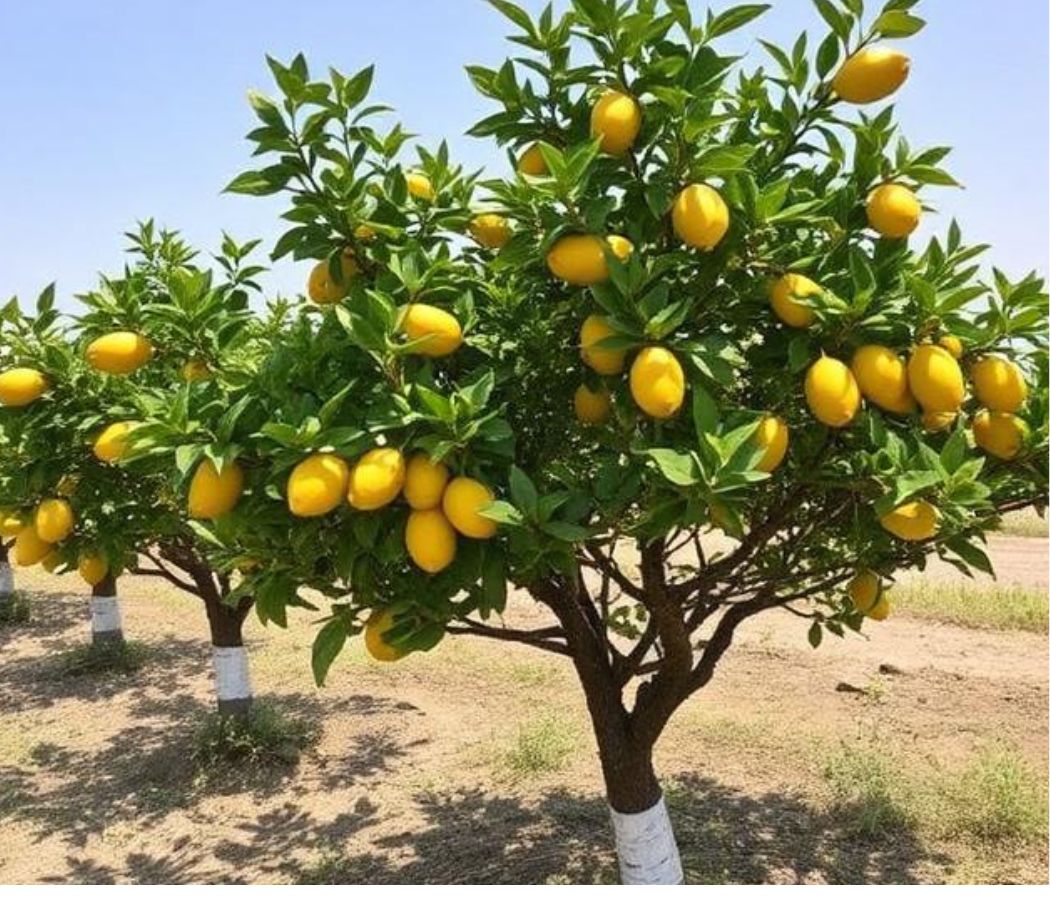
“It reminds me that as long as the lemon trees grow, hope will never die.” This powerful line sits at the heart of one of the most important young adult novels to emerge in recent years. “As Long as the Lemon Trees Grow” by Zoulfa Katouh is more than just a book. It’s a love letter to Syria, an act of defiance, and a beacon of hope amidst unspeakable tragedy.
If you’re looking for a story that will sweep you up emotionally and never let you go, this epic tale of love, loss, and revolution is a must-read.
The Story of Salama: A Glimpse into the Novel
Before the revolution, eighteen-year-old Salama Kassab had a normal life. She was a pharmacy student living in Homs, Syria, dreaming of the future while celebrating her brother’s wedding to her best friend, Layla. But when the cries for freedom break out, her world is shattered.
Within days, Salama’s family is gone. Her parents are dead, her brother and father are captured, and she is thrust from being a first-year student to acting as a surgeon in a chaotic, under-staffed hospital. She now spends her days trying to save the lives of martyrs—men, women, and children who have been victims of sniper attacks and chemical warfare.
Now, she has one mission: flee Syria for Europe with her pregnant sister-in-law, Layla, the only family she has left. But as she tries to arrange passage on a refugee boat, she is haunted by a hallucination she names Khawf (the Arabic word for “fear”), a physical embodiment of her trauma that torments her, urging her to abandon her country.
Salama’s internal battle intensifies when she meets Kenan, a young man with vivid green eyes and a burning passion for his homeland. In another life, he would have been her betrothed. Now, as she wrestles with her conscience, their unexpected love blossoms, forcing Salama to choose between survival and staying to fight for the soul of Syria.
The Meaning: Why Lemon Trees?
The title is rich with symbolism. Throughout the novel, lemons and lemon trees represent hope and resilience. The lemon is a native Syrian fruit, deeply woven into the country’s cuisine and traditions. To the characters, the trees are as much a part of the land as the long lines of their families, making them a perfect symbol of revolution—strong, sturdy, and deeply rooted in defiance.
When Salama finally plants a lemon tree in a new garden, she declares that it will always remind her that hope can never truly die. The phrase itself is a tribute to the verse, “Every lemon will bring forth a child, and the lemons will never die out,” from Nizar Qabbani, Syria’s beloved national poet. The novel also draws a powerful line between nature and revolution—just as the trees are planted in acts of defiance, the people of Syria continue to resist and rebuild.
Why This Book is So Important
“As Long as the Lemon Trees Grow” stands out for several reasons, making it a book you’ll want to add to your list.
-
A Necessary and Authentic Voice: Author Zoulfa Katouh is a Canadian writer with Syrian roots, making her the first Syrian YA author to be published in both the US and the UK. She wrote this novel to give a voice to her people and to combat the desensitization that comes from seeing refugees only as numbers on a news report.
-
It’s a Painful, Yet Hopeful, Story: This is not an easy read. The novel doesn’t shy away from the horrors of war, chemical warfare, and the immense psychological toll on civilians. However, it is far from being just a tragedy. It is a story “burning with the fires of hope, love, and possibility”. It’s about finding color and joy in a world of death and pain.
-
A Nuanced Look at PTSD: The author crafts a compelling narrative about trauma, depicting Salama’s struggle with PTSD not as a flaw, but as a direct, realistic consequence of her experiences. It shows how fear can distort thoughts, “transforming them from molehills into mountains” in a very real way.
A Story for Fans of The Book Thief and Salt to the Sea
If you were moved by the emotional depth of The Book Thief or the historical urgency of Salt to the Sea, you will find a familiar kind of magic in Katouh’s writing. It is an epic, emotional, and breathtaking story that will leave you thinking about its characters long after you’ve turned the final page.
The book is generally recommended for readers Ages 14 and up, making it a powerful tool for mature young adults to learn about the Syrian Revolution through an accessible, human lens.
Final Thoughts
“As Long as the Lemon Trees Grow” is a masterpiece of YA literature. It is a story of sorrow, yes, but also of the awe-inspiring resilience of the human spirit. It is a reminder that even in the darkest of times, love can bloom, and that a single lemon tree can be a powerful act of revolution.
Have you read “As Long as the Lemon Trees Grow”? Share your thoughts in the comments below or recommend other books about resilience and hope.
Frequently Asked Questions (FAQ) About As Long as the Lemon Trees Grow
1. What is As Long as the Lemon Trees Grow about?
It is a young adult historical fiction novel set during the Syrian revolution (circa 2011–2014). It follows Salama Kassab, an 18-year-old pharmacy student turned emergency surgeon in the besieged city of Homs. After her family is killed, she cares for her pregnant sister-in-law, Layla, while battling a hallucination named Khawf (Arabic for “fear”) that embodies her trauma. Salama must decide whether to flee Syria for safety or stay and fight for her country’s future, especially after falling in love with a passionate young man named Kenan.
2. Is the book based on a true story?
No, the characters and specific plot are fictional. However, the events, settings, and horrors described—bombings, sniper attacks, chemical warfare, hospital shortages—are drawn directly from real experiences of Syrian civilians during the revolution. The author, Zoulfa Katouh, used testimonies, news reports, and her own Syrian heritage to create an authentic portrayal. She dedicated the book “to the people of Syria.”
3. What are the major themes?
-
Resilience and hope (symbolized by lemon trees)
-
Psychological trauma and PTSD
-
Love and sacrifice (romantic, familial, and patriotic)
-
Identity and exile – the question of what it means to leave your homeland
-
The cost of war on ordinary people, especially youth and women
4. What are the trigger warnings?
The book contains intense and graphic content. Readers should be aware of:
-
War violence (bombings, gunfire, explosions, mass casualty scenes)
-
Death of children and adults (onscreen and off)
-
Chemical weapons (symptoms of sarin gas attacks are described)
-
Blood and medical gore (surgery scenes without anesthesia)
-
Miscarriage and pregnancy complications
-
Post-traumatic stress disorder (PTSD) – depicted through a haunting hallucination
-
Suicidal ideation – Salama briefly contemplates death as an escape
Recommended for mature readers (14+), but sensitive readers should proceed with care.
5. What age group is this book for?
It is marketed as Young Adult (YA), ages 14 and up. However, many adults have also praised it. The writing style is accessible, but the content is heavy. Some parents/teachers may prefer it for ages 16+ due to the graphic depictions of war.
6. Who is the author?
Zoulfa Katouh is a Canadian author of Syrian descent. She holds a degree in pharmaceutical sciences and is trilingual (English, Arabic, French). As Long as the Lemon Trees Grow is her debut novel, making her the first Syrian YA author to be published in both the US and the UK. She is known for openly discussing her love for Studio Ghibli, baking, and the band BTS.
7. Is the book part of a series?
No, it is a standalone novel. However, the paperback edition includes an exclusive bonus short story titled Joy, which gives additional scenes between Salama and Kenan after the main events.
8. What does the title mean?
The title comes from a line near the end of the book. Lemon trees are native to Syria and represent hope, rootedness, and defiance. As long as the trees (the land, the people, the memory) continue to grow, the revolution and the spirit of Syria cannot be killed. The imagery is also a nod to a famous poem by Syrian poet Nizar Qabbani.
9. Is there a love story? Does it end happily?
Yes. The romance between Salama and Kenan is central to the plot. Their love grows slowly, built on mutual understanding, resistance, and hope. Without giving spoilers, the ending is bittersweet but ultimately hopeful. It does not erase the tragedy of war, but it affirms that love and life can continue.
10. Why is this book considered important?
It gives human faces to the Syrian refugee crisis. Many readers know only statistics; this book shows the daily reality, bravery, and trauma of ordinary young people. It has been praised for its raw honesty, for centering a female Muslim protagonist, and for not shying away from mental health struggles. It also serves as an act of literary resistance – telling the stories that the regime and mainstream media often erase.
11. Does the book have an audiobook?
Yes. An audiobook version is available, narrated by Lameece Issaq (a Lebanese-American actress). Many listeners praise her emotional delivery, including correct Arabic pronunciation for names and phrases like Khawf, habibi, and inshallah.
12. Can I read this book if I know nothing about the Syrian war?
Absolutely. The author explains enough context within the story, using character memories and news references, so that even a reader unfamiliar with the conflict can understand. It may also inspire you to learn more about Syria’s history and the revolution that began in 2011.
13. Does the book contain Arabic words? Is there a glossary?
Yes. Several Arabic terms and phrases appear naturally in dialogue (e.g., yalla, habibti, khara, inshallah). The author intentionally does not italicize these words, treating them as normal language. Most can be understood from context, but some editions include a brief glossary at the end. If yours doesn’t, a quick online search will help.
14. How long is the book? Is it a fast read?
The hardcover and paperback run approximately 400–420 pages. Despite the heavy subject matter, the pacing is fast and gripping, with short chapters and cliffhangers. Many readers finish it in 2–3 days.
15. Where can I buy or borrow it?
Available worldwide in hardcover, paperback, ebook, and audiobook from:
-
Amazon (all regions)
-
Bookshop.org (supports local bookstores)
-
Barnes & Noble
-
Waterstones (UK)
-
Audible (audiobook)
-
Local libraries – request it via interlibrary loan if not in stock
16. Is there a movie adaptation?
As of now, no film or TV adaptation has been officially announced. However, given the book’s popularity and critical acclaim, there have been fan campaigns and mild speculation. For updates, follow the author’s social media or website.
17. What other books are similar to this one?
If you loved As Long as the Lemon Trees Grow, try:
-
The Book Thief by Markus Zusak (war, hope, unique narration)
-
Salt to the Sea by Ruta Sepetys (WWII refugees, multiple POVs)
-
A Thousand Splendid Suns by Khaled Hosseini (women in war, Afghanistan)
-
Home Fire by Kamila Shamsie (modern Muslim family, radicalization)
-
Clap When You Land by Elizabeth Acevedo (grief, family secrets, immigrant experience)
18. Does the author donate any proceeds to Syrian relief?
Zoulfa Katouh has stated publicly that she personally donates a portion of her advance and royalties to humanitarian organizations supporting Syrian refugees, including The White Helmets and Doctors Without Borders (MSF). Exact percentages may vary, but she encourages readers to donate directly as well.
19. Is there a discussion guide for book clubs?
Yes. The publisher (Little, Brown Books for Young Readers) provides a free printable discussion guide with 10+ questions. Topics include: the role of Khawf as a trauma metaphor, whether Salama’s choice to stay or leave was right, the importance of memory, and the symbolism of lemon trees. You can download it from the publisher’s website or from the author’s resource page.
20. What is the #LemonsForSyria campaign?
Fans on Instagram and TikTok started a grassroots campaign called #LemonsForSyria. Readers post photos of lemons, lemon trees, or lemon-based recipes alongside quotes from the book, using the hashtag to raise awareness about Syria and to encourage donations to refugee aid. It’s a gentle, creative activism movement inspired by the novel’s central symbol.